Thus said Zarathustra Nietzsche’s writings have been on my reading list for years. I finally did it recently.
Although I didn’t really like the book, there was one chapter that really grabbed me, called “Voluntary Death.”
Here’s the idea:
Live so fully and consciously that when death comes, it feels like a completion rather than an interruption.
I like that.
Think about it. That’s not how most of us live.
We drift, we procrastinate, we stay on a track that we know isn’t right.
And then one day, it was all over…
This is why we fear death.
Nietzsche wrote:
“Of course, someone who was never born at the right time can hardly die at the right time! It would be better not to be born at all!”
A person who has never truly lived, drifts, conforms, procrastinates, plagiarizes, can never be his own person, and can never truly “die in due time.”
Why?
Because for Nietzsche, the “right time” has nothing to do with age. It’s about maturity.
He appreciates a person’s ideas Who lives with such intensity, purpose and self-control Even death becomes a part of their lives, not just something that happens to them.
The courage to live life on your own terms
One should live life to the fullest and when death comes, it feels like a complete arc.
If you never had the courage to live your own life, formulate your own values, take action, and be yourself, then your death will also be passive.
It’s just a biological shutdown. The good life is not over yet.
Now comes the question: What does a good life look like?
Nietzsche looked at the problem this way:
“He who lives a full life dies victoriously, surrounded by those who live in hope and take solemn vows.”
Surround yourself with hopeful people. That image has stayed with me. He describes a man whose life inspires others to be better.
One ends up surrounded not only by grief, but by those who are motivated to continue what he started.
That’s the legacy. Not fame. Not money. Not a building with your name on it.
Someone who is a better person just for knowing you.
your children. your friends. your colleagues. Someone you mentored ten years ago.
Readers whose lives have been changed because of something you wrote. Anyone who crosses your path will walk away slightly different.
I think this can only be achieved by truly living life on your own terms.
But most people live timidly, fear of what others think of themtake no risks and never grow.
We must grow or we will die
Then Nietzsche gets even harder:
“For many, life is a failure: a poisonous worm is eating away at his heart.”
He’s talking about the creeping feeling that you’re not living your life the way you should.
It means you are wasting time. It’s you who’s holding back. That’s a version of yourself no become.
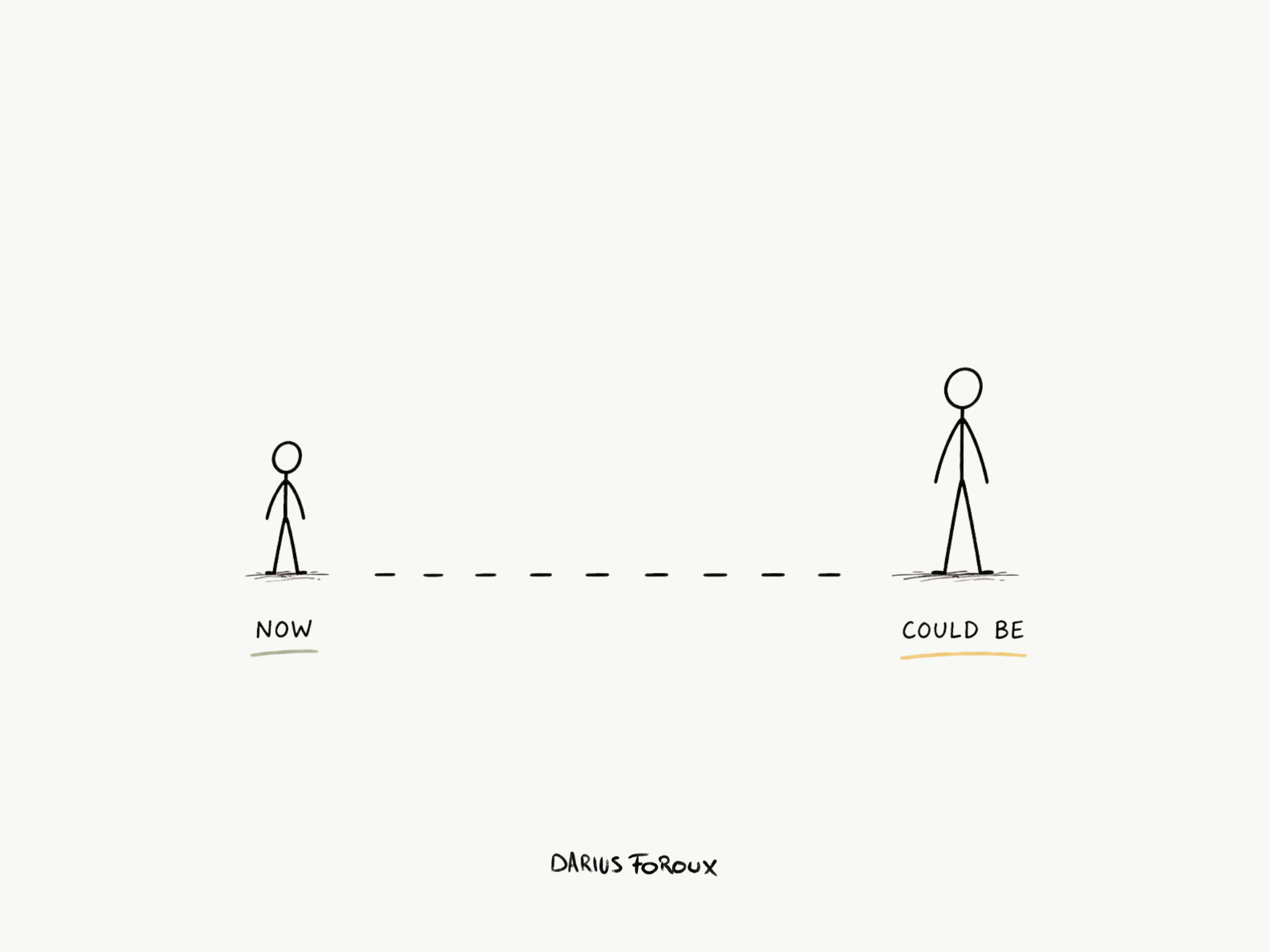
This is a poisonous insect. Not the case. Good luck. The gap between who you are and who you know you can be.
Most people live with this gap their entire lives and never bridge it. They stay on the branches not because they cannot fly, but because they are afraid.
Nietzsche said: “It was cowardice that kept him fastened to his own branch.”
We all know what it’s like to stick to our branches. We want to do something out in the world, but we can’t.
We stay where we are.
But it’s like dying young. We must grow or we will die. We must move on.
I recently had a son, which is unprecedented for me.
Whatever I do, he sees it. What I value, he absorbs.
There are still many areas in my life that need improvement.
How I treat others, how I handle difficulties, how I behave when things are difficult… all of those things become input into who he becomes.
How to actually live like this
Nietzsche ends the chapter with this:
“When you die, your spirit and your virtues should still shine like the sunset on the earth: otherwise you will die badly.”
I love how he describes it as the sunset. not one thunderbolt Or something great.
Only after you left, there was still a trace of warmth.
The actual situation is as follows:
- Do your job well, not for recognition, but because it represents you.
- Be honest with those around you, even if it costs you something.
- Show up for those who need you, especially when it’s inconvenient.
- Build something that lasts longer than the moment.
- Think of the people closest to you as your most important audience, because they are.
None of this is great. All of this is compounded.
The question is not whether you will be remembered. You will be swayed by someone in some way.
The problem is What They will remember.