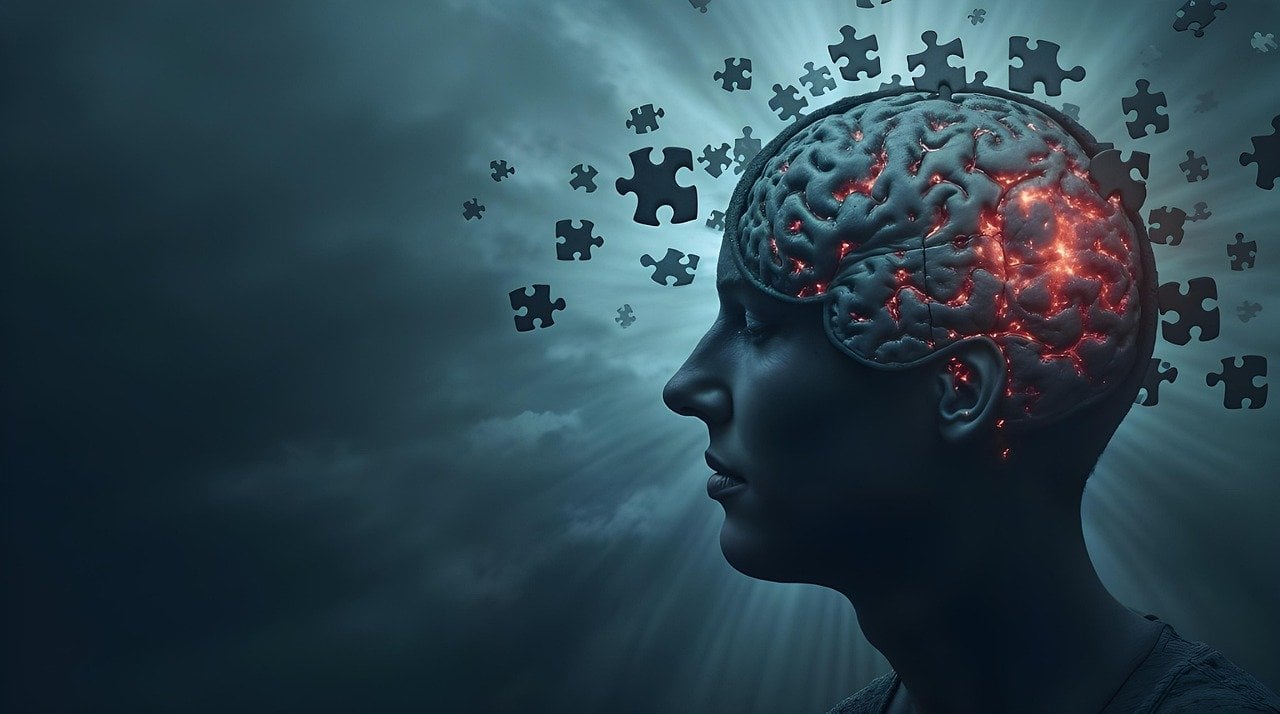
Imagine having a perfectly functioning intellect, but completely missing the physical mechanisms needed to express your thoughts to the outside world. This article explores the intense psychological realities of adult aphasia and why mastering the neurology of language recovery is a profound career pivot for adults with aphasia. Deep analytical thinker.
When the public hears the term “speech therapy,” they almost immediately picture a cheerful clinician sitting in a brightly lit elementary school trying to coax a toddler into pronouncing the letter “R” correctly. This is a heavily romanticized stereotype that ignores the tough, intellectually brutal side of the profession.
For those obsessed with Mechanics of the Human Brainthe reality in the field is far more fascinating. The real heavy lifting happens in neurological wards, rehabilitation centers and stroke wards.
You don’t just teach pronunciation. You’re dealing with catastrophic neurological failure, traumatic brain injury, and the horrific psychological isolation of adults who suddenly lose their ability to communicate.
Intellectual fears of adult aphasia
There is a very specific, very scary psychological trauma Related to adult aphasia. When a person suffers a severe stroke or traumatic brain injury, the physical structures of the brain’s language centers may be destroyed.
The tragedy is that the underlying cognitive intelligence is often left intact. Patients know exactly who they are, they understand what is going on around them, and they form complex, intelligent thoughts. They simply cannot express the words through their broken neural bridges.
As of April 2026 clinical researchpeople with conditions such as primary progressive aphasia face profound psychosocial trauma, experiencing intense grief, shattered self-esteem, and severe social withdrawal Precisely because they are fully aware that their language skills are deteriorating.
Research highlights that treating this specific trauma requires a complex, mixed approach. It’s not enough to just practice vocabulary and hope for the best. cognitive behavioral therapy Verbal intervention must be accompanied by active deployment to control the patient’s psychological breakdown.
The reality of this dual focus is why the field is in dire need of analysis, Professionals with psychological thinking. Standard doctors focus strictly on diagnosing biological disease progression and moving on to the next bed. They lack the time, patience, or specific neurological training to sit through the emotional impact of losing their voice.
The painful and delicate task of hacking into broken communications networks while serving as a dedicated grief counselor is left entirely to speech-language pathologists.
Cracking the brain’s broken network
Approaching this level of trauma requires that you stop viewing therapy as a simple educational exercise and start viewing it as literal brain hacking.
you are dealing with neuroplasticitythe brain desperately tries to rewire itself after a catastrophic failure. When a stroke destroys the main language pathways in the left hemisphere, a skilled pathologist doesn’t just repeatedly ask the patient to say a sentence and hope for the best.
Instead, the work involves strategically forcing the brain to create entirely new collateral pathways around damaged tissue. An example of this is melodic intonation therapy, which essentially teaches stroke survivors to sing because the music processing centers in the right hemisphere have survived the trauma and can temporarily take over the language workload.
This is a painstaking and science-intensive process of hacking into the human nervous system. For analytically minded professionals who have spent time dissecting cognitive psychology and behavioral mechanics, this is more than just a job. It is the practical application of neurological theories in the real world that makes this field worthy of study in the first place.
Protect credentials without losing your mind
Transitioning into this major requires rigorous credentials, but a traditional academic route isn’t necessarily part of the deal. Sign up Online Master of Speech-Language Pathology Focus on neuroanatomy lectures, diagnostic frameworks, and clinical theory without forcing you back into a competitive campus environment.
The digital route eliminates the unnecessary social presence of the physical classroom and provides the scientific knowledge needed to pass the licensure exam. Only when it’s time to complete a hands-on clinical rotation will you move into a brick-and-mortar medical setting to focus your attention on the patients who really need it.
The Psychology of Breaking the Silence
To survive the clinical realities of this profession, textbook anatomy is only half the equation.
incredible read subtle micro expressionsmanaging silent panic, and alleviating the frustration of patients who cannot express their pain verbally are skills that no anatomy lecture can adequately prepare you for. The patient you treat is Locked in one’s own headfully aware of what they have lost and terrified by the gap between their thoughts and words.
The ability to sit quietly without flinching and to recognize the difference between neurotic fatigue and emotional closure is what separates a competent clinician from an outstanding one.
You have a natural tendency to overanalyze human behavior and assign it a legally protected, well-respected medical purpose. Instead of analyzing people for free, you start actively using your brain to pull stroke survivors out of the darkest, quietest corners of their hearts.
It’s a tough, demanding profession, but watching patients finally find the words they’ve been looking for makes the entire clinical drudgery worth it.

Content Editors and Staff Writers exist learning mentality
Valerie Soleil is a writer with over 5 years of experience and holds a BA in Law and a BA in Psychology. She is a health and wellness enthusiast who is constantly expanding her knowledge of the mysteries of the human body and the mind.