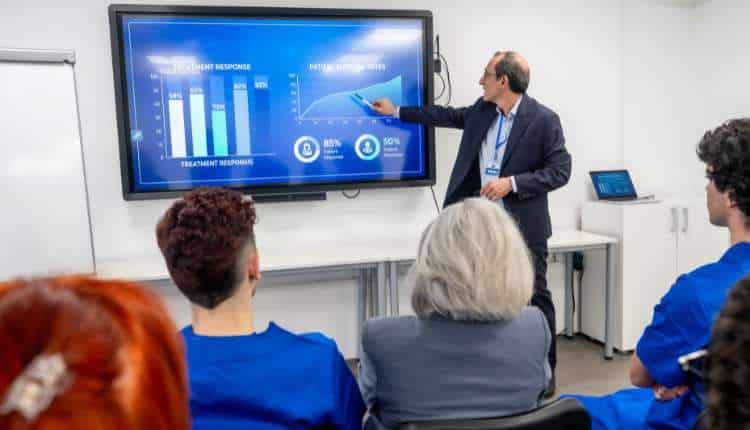
Professional development helps teachers and health care professionals keep their skills current. It supports safe practices. It supports consistent work standards. It also helps staff respond to changes in law, guidance, technology and public needs.
Both professions are heavily scrutinized in the UK. Teachers face inspections, maintenance responsibilities and ever-increasing classroom demands. Healthcare workers face patient safety risks, workforce pressures and rigorous clinical management. When training goes awry, errors increase. When training is planned and tracked, quality improves.
This article proposes practical strategies suitable for real-world workloads. It covers shared methods first. Then move into teaching-focused development.
Stop living life on autopilot. Get weekly lessons delivered to your inbox to help you break free of automatic thinking, expand your awareness, and see everyday life from a broader, more practical perspective.
**$9/month—cancel anytime**
**START WEEKLY CLASS NOW**
Why professional development is important in teaching and healthcare
Professional development is directly related to outcomes. In schools, it supports learning, behavior and pupil welfare. In healthcare, it supports safe care, accurate decision-making and patient experience.
Both industries face rapid change. Schools adapt to curriculum updates, new guidance and local authority expectations. Health services adapt to new clinical standards, updated pathways, new digital systems and changing needs.
There is also the legal and duty of care perspective. Employees should maintain competency. Employers should support this capability. Training records are often important during audits, complaints and investigations. A clear training plan and clear records can help demonstrate control when a serious incident occurs.
Professional development also helps with retention. When people feel stuck, unsupported, or overwhelmed, they leave. When employees are able to build skills and see progress, they tend to stay longer.
Core professional development strategies
The following core strategies apply in both situations, including Continuing professional development courses. The key is to choose an approach that is consistent with the job, level of risk and time available.
Structured training program
A structured plan sets the baseline. They cover the skills and knowledge required for the role. They also provide a clear path for new employees and employees changing responsibilities.
In schools, this may include induction, behavior policy training and subject updates. In healthcare, it may include mandatory training, clinical competency sign-off and role-specific updates.
Structured methods also support consistency. It reduces the gap between teams and sites. It makes planning cover much easier. It also makes training outcomes easier to measure.
work-based learning
Work-based learning develops skills through practice. It works best when it’s planned and supervised.
In schools, it can include lesson observation, co-teaching and coaching in planning and assessment. In healthcare, it can include supervised shifts, shadowing, simulations and clinical mentoring.
Screens, notifications, and constant noise are quietly draining your focus and peace of mind. This course shows you how to regain your sanity, regain calm, and live more consciously in a hyperconnected world.
Explore courses
This approach also supports fast feedback. Staff can correct minor issues early. Managers can detect and deal with risks before they become a pattern.
reflective practice
Reflective practice helps employees learn from actual situations. It turns experience into improvement.
Teachers may reflect on lesson outcomes, behavioral triggers, and ways to give back. Healthcare workers may reflect on patient interactions, near misses, or erroneous handoffs.
Reflection should remain pragmatic. It should focus on what happened, why it happened and what will change next time. It should also include ways to provide support when reflection reveals stress, fatigue or lack of confidence.
Peer learning and collaboration
Peer learning spreads good practice. It can also reduce isolation.
In schools, this can include subject networks, stage teams and shared planning meetings. In healthcare, this can include MDT learning, safety meetings and peer reviews.
Peer learning works best when it’s structured. It requires a clear goal. It requires a brief agenda. It also requires a culture where employees can speak up without fear of recrimination.
Digital and online learning
Online learning can help train employees around shift patterns and workloads. It supports fast updates. It also supports consistent content delivery.
For teachers, online learning can cover policy updates, safeguarding reviews and practical teaching methods. For health care workers, it can cover infection control, record keeping, information governance and other priority areas.
Online learning still needs to be checked. Completion rates do not prove competency. Good practice includes brief testing, supervisor follow-up and evidence of learning how to change.
teacher professional development
Teacher development needs to be consistent with classroom reality. It must support pupils’ progress. It must also support employee well-being and retention. Training programs work best when they are linked to school priorities and daily practices.
Curriculum and subject knowledge updates
Course content changes. Exam specifications changed. New evidence has emerged about teaching methods.
Teachers need time to review content, plan delivery and adjust assessments. The theme is also updated support confidence. They reduce errors in teaching content. They help keep learning on track.
This training works best when examples are included. It should include model lessons, model questions, and standardization of grading.
Classroom Management Skills
Classroom management affects study time. Affect safety. It affects employee stress levels.
Professional development can cover routines, boundaries, and how to deal with distractions. It can also cover support strategies for pupils with SEND needs and pupils who find it difficult to adapt to supervision.
Training should include practice. It should include scripts for common scenarios. It should also include follow-up plans such as coaching, observation, and feedback.
safeguarding and child protection
Security work and teaching should be carried out simultaneously. Employees must identify problems. Staff must document concerns. Staff must follow the school’s referral and escalation process and be supported by Safeguarding training courses.
Training should cover the school’s safeguarding policy, the role of DSL and how to deal with disclosures. It should also cover online safety risks and potential signs of harm in behavior, attendance or presentations.
Support training should also be clearly reported. Employees should know what to do that day. They should also know what not to do, such as making promises or trying to investigate.
Assessment and feedback skills
Assessment drives planning. Feedback drives improvement. Both can also add to the workload if not done properly.
Teacher development can focus on selecting the right assessment tools and using the results to plan next steps. It can also cover feedback methods that improve learning without incurring additional marks.
Good training includes shared examples. It includes moderate markup. It also includes checking that students understand and use feedback.
Conclusion: Keep your skills sharp
Professional development works when it’s the right fit for the job. It works when it’s linked to risks, outcomes and daily practice. Teachers need support to improve learning, behavior and wellbeing. Healthcare workers need support to improve safety, quality of care and compliance.
The method is less important than the follow-up. Training should lead to action. Leaders should set priorities, protect time, and check results. Employees should know what to do next and how to get support if gaps arise.
Practical step-by-step lessons to help you stay focused, clear and in control.
👉Join the focus building course
Explore our courses