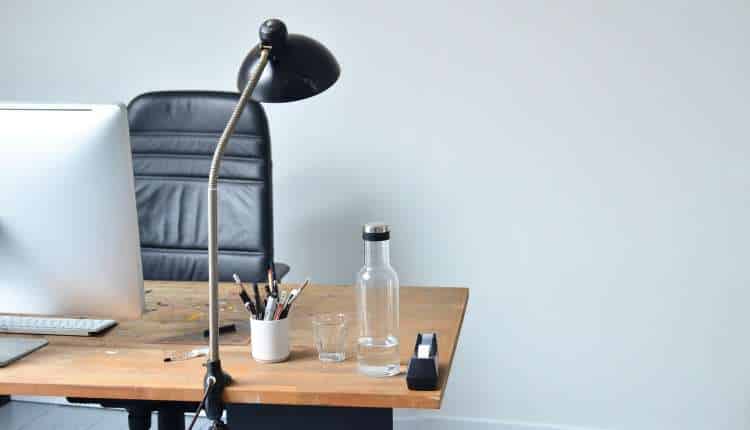
Cluttered desks, uncomfortable chairs, dim lights, and constant distractions can all quietly drain productivity throughout the workday. On the other hand, workspaces designed for focus and comfort can help professionals think more clearly, stay motivated longer, and complete high-value work with fewer distractions.
After three hours of bouncing back and forth between emails, unfinished tasks, and phone calls, one employee realized the problem wasn’t motivation. The real problem was right in front of him. Files took up half the desk, wires were tangled under the monitor, dim lighting strained his eyes, and the cramped environment made every workday feel exhausting before noon.
Productivity increased significantly within two weeks of reorganizing the workspace, upgrading lighting, improving desk ergonomics, and eliminating distractions. Meetings feel less strenuous, attention spans are longer, and even simple tasks become easier to complete.
Why workspace environment matters
People often underestimate the extent to which the physical environment affects mental performance. Workspaces can either support concentration or constantly interrupt it with discomfort, clutter, noise, and visual overload.
Research regularly links organized work environments to greater focus and lower stress levels. Professionals who spend long hours at a desk especially benefit from an environment designed around comfort and efficiency, not just convenience.
There are several workspace factors that can impact daily performance:
- lighting quality
- desk organization
- Noise level
- Ride comfort
- visual distraction
- Equipment placement
- air circulation
- Work space cleanliness
Small setbacks that keep popping up throughout the day can slowly erode motivation. Constantly searching for items, adjusting posture, or fighting glare distracts from meaningful work.
Professional desk setup and productivity
The appearance of your workspace has more of an impact on your mindset than many people realize. A sophisticated, organized desk layout often creates a stronger sense of professionalism and preparedness before work begins.
High-performing professionals often invest in workspace accessories to improve their organization while creating a more refined environment. Monitor stands, storage trays, quality laptops and notebooks, and more Executive Leather Desk Mat Can help create a cleaner, more structured desk layout while protecting surfaces and creating a more professional workspace.
Executive style desk setups often focus on balancing functionality with appearance. A workspace that looks organized tends to encourage more organized work habits throughout the day.
Screens, notifications, and constant noise are quietly draining your focus and peace of mind. This course shows you how to regain your sanity, regain calm, and live more consciously in a hyperconnected world.
Explore courses
Professionals typically include the following accessories:
- Desk organizer
- wireless charging station
- Leather desk accessories
- Adjustable monitor stand
- cable management system
- professional lighting
- storage drawers
- Premium writing instruments
A polished workspace can also make a stronger impression during virtual meetings and client calls, especially for remote professionals working in home offices.
The link between clutter and mental fatigue
Clutter competes for mental attention throughout the day and can make workloads feel heavier than they actually are.
A crowded desk often signals unfinished tasks to the brain. Stacks of paper everywhere, scattered notebooks, tangled chargers, and unnecessary accessories can all create a feeling of clutter that can increase mental fatigue over time.
Professionals working in cleaning environments often encounter:
- Complete tasks faster
- better concentration
- Reduce stress levels
- Improve decision-making
- greater motivation
- Stronger time management
- fewer distractions
- Better workflow consistency
Lighting shapes energy and focus
Poor lighting can quietly hurt productivity during long workdays. Dark environments may cause eyestrainheadaches, fatigue and lack of concentration throughout the day.
Natural light remains one of the best workspace improvements available. Offices with strong daylight often make people feel more energetic and refreshed than dark environments filled with harsh artificial lighting.
Boost your motivation and stay motivated until you achieve your goals. Learn practical and proven strategies to master motivation with the Get Motivated online course.
👉 Start your inspirational journey
Professionals working from home often make adjustments to increase productivity:
- Window positioning
- task lighting
- Monitor brightness
- Reduce screen glare
- Table lamp placement
- Warm light balance
- night lighting conditions
- overhead light intensity
Lighting can also affect mood. During demanding projects or long creative sessions, a bright, balanced space often makes people feel more motivated and easier to work.
Ergonomics and body comfort
Physical discomfort gradually disappears focus. A stiff neck, sore back, cramped wrists, or poor posture can force the brain to divide its attention between work and physical exertion.
Professionals who spend hours every day sitting benefit from ergonomic adjustments that provide comfort during long workdays. Even small improvements can make work feel less exhausting in the late afternoon.
Important ergonomic considerations include:
- chair height
- Monitor positioning
- keyboard placement
- wrist support
- foot positioning
- desk height
- screen distance
- arm support
Create a workspace that encourages deep work
Deep work requires uninterrupted attention, although many workspaces are filled with distractions that make it difficult to maintain focus. notifications, clutter, background noisevisual distractions constantly divert attention away from difficult tasks.
Creating a workspace that supports deep focus starts with intentional design choices. Professionals often find that productivity increases once distractions are reduced, rather than just having to focus harder.
Useful workspace improvements include:
- Dedicated workspace
- Noise reduction tool
- Cable management
- Minimal desktop distractions
- ordered storage
- Clear scheduling system
- comfortable seats
- Limited phone visibility
Workspaces should make focused work easier, not create additional friction throughout the day.
Reduce distractions in modern workspaces
The modern work environment creates countless opportunities for distraction. Notifications, open tabs, social media, background conversations, and multitasking habits often slow down productivity without people immediately noticing.
Reducing distractions does not require complete silence or isolation. Goals include creating an environment where it is easier to manage attention during important tasks.
Common distraction reduction strategies include:
- Turn off notifications
- Use focus timer
- Keep your phone out of reach
- Limit unnecessary tabs
- Create quiet time
- Wear noise-canceling headphones
- Schedule an email check
- Use separate work equipment
Successful professionals often consciously protect their attention because constant distractions can slow down complex work and make them mentally exhausted.
How workspace design affects motivation
People naturally feel more motivated in environments that are intentional, comfortable, and visually appealing. Workspace design can affect your emotional energy throughout the day, especially during stressful times or creative projects.
An uninspiring workspace can make tasks repetitive and exhausting. At the same time, a well-designed setting can create a stronger sense of motivation and personal involvement in the work being done.
Motivating workspace elements may include:
- personal artwork
- plant
- Clean desk layout
- Comfortable texture
- organized shelves
- framework achievement
- calm colors
- Functional accessories
Create a workspace that supports long-term success
Over time, improvements to your workspace can lead to increased focus, better organization, greater comfort, and healthier work habits.
Professionals who invest in the quality of their workspace often see improvements in productivity, consistency, and mental clarity. A clean layout, ergonomic support, reduced distractions, and an organized desk setup all help increase productivity during a demanding work day.
Explore our courses