
Have you ever picked up your phone to perform a quick task, only to find that much longer has passed than you expected? What starts as checking messages, emails, or notifications can easily turn into a lengthy session scrolling through social media, videos, news feeds, or apps.
Smartphones are incredibly useful tools in today’s connected world, but they can also be a constant source of distraction. Too much screen time can affect productivity, concentration, sleep quality, relationships, and even emotional well-being. Many people find themselves reaching for their phones without thinking.
The good news is that you can take back control of your technology habits. By becoming more aware of your screen time and making conscious changes, you can reduce distractions, improve focus, and create more space for the activities that really matter. Small adjustments often lead to dramatic improvements in mental clarity and overall well-being.
If you’ve been feeling overwhelmed by constant notifications, endless scrolling, or the urge to check your phone throughout the day, you’re not alone. The first step is to recognize the habit and learn practical strategies to manage it more effectively.
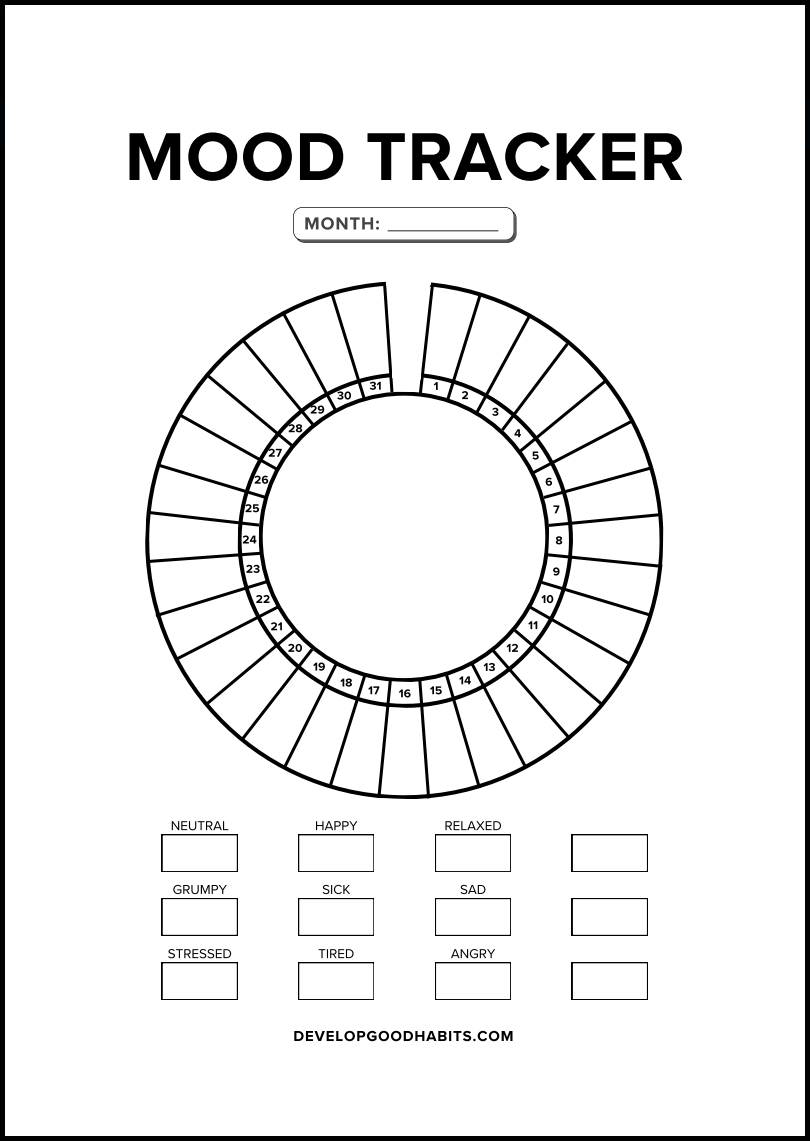
In this article, you’ll discover ways to break unhealthy phone habits, reduce screen time, and develop a healthier relationship with technology. Also, be sure to download the free Mood Tracker at the end of the article to help you monitor how your habits and daily activities are affecting your emotional health.
Why is it important to break cell phone addiction?
Excessive smartphone use not only wastes your time; It can take a toll on your mental health, social relationships, productivity, and even physical health.
Too much screen time can lead to stress, anxiety, and insomnia. It can also diminish your sense of presence, creativity, and overall ability to participate in life.
The steps you’ll take below will not only help you regain control of your phone use, but also help you regain your digital health, improve your focus, and have time to prioritize the things that really matter in life.
1. Track your screen time and establish a baseline
The most important step in solving cell phone addiction is to determine how much time you actually spend on your phone and why.
Use tools like Screen Time on Phone (iPhone) or Digital Wellbeing (Android) to strategically assess your phone usage and understand how you’re using it on a daily and weekly basis. Take note of the apps you spend the most time in – maybe social media, messaging or games.
Action steps:
- View last week’s screen time data.
- Keep track of your 3 most used apps.
- Set screen time goals or limits for your device or certain apps.
example: If you use social media for three hours at a time, take a small step and increase your usage to two and a half hours throughout the week. Tracking your usage can give you a baseline and perspective on your habits while helping to ensure a successful digital detox.
(See more apps that limit smartphone addiction)
2. Identify triggers
Cell phone addiction often has nothing to do with the phone itself, but rather what it offers – something that is boring, anxiety-provoking, or unbearable.
It helps to take some time to understand when you reach for your device and why – because you’re bored? pressure? Lonely? procrastination? Have you ever noticed that you reach for your phone at certain times of the day or at certain notifications?
Action steps:
- Take 3-4 days to record how you use your phone and how you feel at the time.
- Notice any patterns—are you on your phone when you’re tired, anxious, or running away from something?
- Turn off notifications you don’t actually need, such as social media notifications that might find their way onto your phone for no reason.
example: If you find yourself using your phone in the evening when you’re bored, consider creating an alternative activity to replace it, such as reading or an evening walk. Understanding your triggers is important to changing your behavior and creating mindful awareness around your technology use.
(Learn more about tracking habit triggers)
3. Set limits and tech-free zones
Setting digital and physical limits is a key part of managing smartphone overuse. Identify specific places and times where cell phone use is not allowed, such as at the dinner table, in the bedroom, or during meetings, to help set boundaries and protect your focus and relationships.
Action steps:
- Designate a technology-free zone in your home (bedroom, dining area, etc.)
- The use of telephones during meals or conversations is prohibited.
- Use features like Do Not Disturb or Focus Mode to minimize distractions while completing important tasks.
example: Try putting your phone in another room while you sleep and use an old-fashioned alarm clock. This small change can help you sleep better and reduce the tendency to automatically reach for your phone in addition to reaching for it first thing in the morning.
4. Replace mindless scrolling with meaningful activities
One of the best ways to get rid of your phone is to pass the time on it hobbyhobbies or social activities to meet your physical and mental needs. Once you’ve identified activities that you value but haven’t prioritized due to mindless screen time, commit to spending time on those activities again.
Action steps:
- Make a list of activities you enjoy or would like to try (reading, sports, cooking, painting, etc.)
- Schedule time each day to complete the activities on your list; especially if you usually use your phone.
- Contact a friend or family member to schedule an in-person visit instead of texting or scrolling.
example: If you’re on your phone during breaks or lunch, try taking a walk, listening to music, or chatting with a coworker. Replacing screen time with real-life activities can help improve your mood and help grow your relationships.
5. Practice mindfulness and meaningful phone use
Mindfulness Can be an effective tool in overcoming technology addiction.
When you reach for your phone, instead of automatically reaching for it, consciously ask yourself why you are reaching for it. Mindfulness helps you notice what you are doing and can help you become aware of your habits when you are paying attention.
Action steps:
- Before you unlock your phone, take a deep breath and ask yourself: What do I need right now?
- Use your phone carefully during every conversation (e.g., “I will check my messages and then put my phone away.”)
- Try using a mindfulness app or guided meditation to practice awareness and self-regulation.
example: You feel the need to pick up your phone and check social media. Take a moment to stop and notice how you feel. Am I bored, lonely or just used to this? When you notice your feelings grabbing your attention, you stop and make a choice instead of doing it automatically.
6. Limit the use of social media and news
Social media addiction is arguably the biggest culprit behind overuse of mobile phones.
The endless feeds and push notifications are designed to keep you addicted. You can take back control by restricting these apps and customizing your digital space.
Action steps:
- Unfollow or mute accounts that don’t add value to your life.
- Turn off push notifications for social media and news apps.
- Set daily usage limits or place limits on apps.
example: Try moving your most distracting apps off your home screen or deleting them entirely for a week. Notice how relaxed and focused you feel without constant updates.
7. Perform regular digital detoxification
Digital detox doesn’t necessarily mean staying offline forever.
If you can schedule regular breaks away from your phone, even for an hour, a day, or a weekend, it will make you rethink and help you reconnect with the people and things going on around you.
Action steps:
- Choose a “no phone” time once a week (for example, Sunday morning or after 8 p.m.).
- If needed, notify any friends or family members who may be concerned that you are not online so they can help hold you accountable.
- Use your detox time to get outdoors to rejuvenate (take a nature walk), work on a creative project, or spend quality time with loved ones.
example: Try a 24-hour digital detox every month. You’ll notice the difference in your mood, productive forces And relationship! Even a short break can have a huge impact on your digital health.
8. Use technology to benefit you, not control you
Ironically, your phone can be a tool in overcoming cell phone addiction.
There are many apps that can monitor screen time, block distractions, and help create healthy habits.
Action steps:
- Download a screen time tracker and/or app blocker (i.e. Forest, Freedom, OffScreen).
- Use built-in features (i.e. downtime, app limits, and focus).
- Track progress and celebrate small wins.
example:
Set daily limits for the social media apps you use most and use them as a reason to switch to healthier activities when you hit them. Let technology benefit you, not replace you.
9. Be aware of your mental and physical windfalls
Cell phone addiction can make you physically and mentally exhausted.
Focus on self-care and healthy habits including sleep, exercise, nutrition and stress relief. The better you feel, the less your phone screen will become a source of comfort and distraction.
Action steps:
- Create a sleep schedule and keep devices out of the room.
- Add movement to your day – stretch, go for a walk, and get active without your phone.
- Use stress-relieving strategies such as journaling, meditation, or breathing.
example: If you realize that using your phone can relieve stress, you can go for a run, call a friend, or do some relaxation exercises. The more you support your spiritual windfall, the easier it will be to feel safe and avoid excessive smartphone use.
10. Build a support and accountability network
Change is easier with the support of others.
Share your goals with friends, family, or colleagues and ask them to support your goals or hold you accountable. When you achieve your goals, share and celebrate your success, and don’t be afraid to ask for help if you need it.
Action steps:
- Share your screen time reduction goals with anyone you trust.
- Find an accountability group, or join a digital well-being challenge.
- Check in regularly and celebrate milestones together.
example: Make it a tradition with your family or roommates to not use your phone at dinner. Or, ask a friend if they’d like to join you on a weekly digital detox. Involving others will make the transition easier and more sustainable.
Learn more about accountability and its importance.
Free Download: Mood Tracker
These mood trackers help you monitor your mood, identify patterns in your daily habits, and gain a better understanding of factors affecting your mental health. They’re especially useful when making lifestyle changes and tracking how less screen time affects your mood and focus.
Download the Mood Tracker and start developing healthier habits and greater self-awareness.
(This link will open a Google Drive folder where you can download the PDF in various sizes: A4 and US Letter.)
Final Thoughts on Phone Addiction
Cell phone addiction is a common problem in our connected world, but we can all successfully unplug.
Take conscious action to reduce smartphone overuse and make more time for the things that matter to you by tracking screen time, paying attention to triggers, limiting usage to manageable times, and filling your life with more fulfilling, enriching things.
Note that changing patterns takes time and patience. Celebrate small achievements when possible and avoid being too hard on yourself when you make mistakes!
Try one of the steps described here and you’ll feel better. Your mental health, productivity, and relationships will all improve. Digital wellness starts with one small intentional step, or choose a small intentional action to practice.