When I started writing over a decade ago, I longed to connect with other authors.
I’ve read books about how important it is to network. I also read advice online about how to connect with colleagues so we can grow together.
In my experience, this is terrible advice.
Of all the people I’ve connected with and become “online friends,” only one person still talks to me.
The rest is disingenuous.
I don’t blame anyone because this is the culture we created.
The Internet does not reward honesty
Social media used to be a place where you connected with people you really knew. Then, Facebook changed the game.
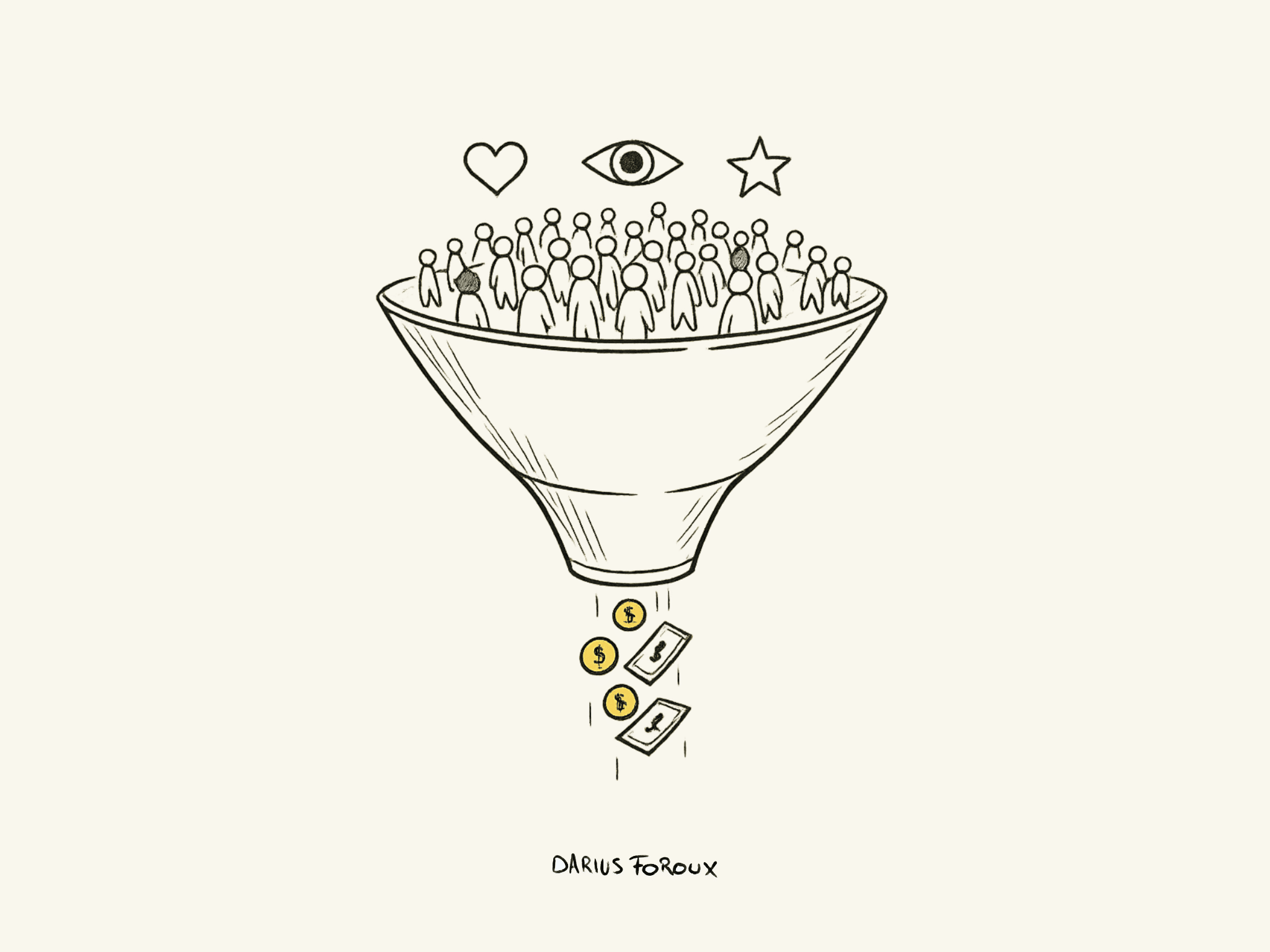
The Facebook feed stops being about your friends and starts showing you a variety of content. This changes everything. These platforms realize that if they show you content that triggers you, you will stay on the app longer.
The goal shifts from connection to attention. We all know the formula: Attention equals money.
This is progressing quickly. YouTube creators started optimizing for views. Instagram becomes a competition to showcase the most perfect, filtered version of your life. TikTok turns everything into a 15-second dopamine rush.
I often hear people say that long-form podcasts are the exception. They think that because someone spoke for three hours, they are “real.”
That’s not true. Long form is just another way to grab attention.
The business model is the same. Podcasts exist to sell advertising. There’s a long list of multi-million dollar companies built entirely on podcast advertising.
Hosts are rewarded for how many eyeballs they get, not for how honest they are. When money becomes the primary criterion, sincerity comes first.
Creators reflect the culture’s values
We shouldn’t be surprised that creators are insincere. They just react to their environment. If a culture values attention above all else, then creators will do whatever it takes to get it.
They are motivated to only talk to people who can help them grow. This is not a moral judgment. This is the reality of how the creator economy works.
Early on, I tried to network like everyone else. I quickly realized that most interactions were purely transactional.
People don’t want to exchange ideas or talk about writing skills. They want to know:
- How many subscribers do you have?
- Can you share my link?
- How can I get to where you are?
- Can we work together?
If you don’t play that game, you have no value to them.
I first learned about this around 2016. I started podcasting back then, before podcasting became the norm. I had the opportunity to interview some well-known writers that I greatly admire.
Disappointing. The people I meet are nothing like the personas they project online.
If you look for my podcastyou’ll notice that I stopped the interview at some point because it was just having a superficial conversation.
There is an old saying: Don’t meet your hero.
This is 100% true. Most of the time, the person you see on screen is a carefully constructed brand.
Behind the brand is usually a person who is just as stressed, insecure, and transactional as anyone else.
I prefer hanging out with my “boring” friends who have nothing to sell. For the average person. Because no matter how successful I was as a writer, I still saw myself that way.
Sincerity is always a contrarian strategy
This may sound cynical, but I’m actually optimistic. Just because most people are playing fake doesn’t mean you have to.
There are enough sincere people in the world. They’re just not the ones screaming for your attention.
The reason I’m thinking about this now is that I’m writing a new book. This is a collection of letters I wrote to my unborn son. I wrote to him every day before he was born, sharing what I thought he needed to know about life.
One of the letters was titled “Everyone on the Internet Lies.”
I want him to understand this early. If you knew that 99.9% of what you see on social media is fake, you would stop comparing yourself to it. You’ll view social media like a movie or TV show.
You don’t feel bad because your life isn’t as perfect as the one on a stranger’s Instagram. You don’t feel “left behind” because a 22-year-old on YouTube calls himself a millionaire.
You don’t feel sad when you watch the movie either, right?
when you stop looking verify From a culture that doesn’t value honesty, you can finally focus on what matters.
You can focus on your work, your family, your personality.
In a world where everyone is performing, being yourself is the only way to stand out.
This strategy may not make you super rich, but it’s the only one that will allow you to sleep well at night.