(image)
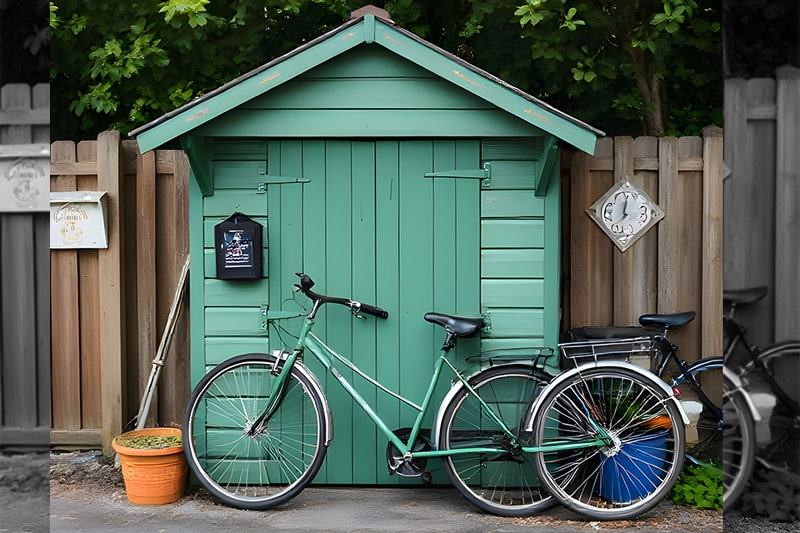
Have you heard of the bike shed effect before? also known as Parkinson’s Law of Trivialitythe idea is people spend too much time Spend less time on trivial issues and less time on complex and important issues.
Imagine that a regulatory board is presented with plans for a multibillion-dollar nuclear power plant. The topic was complex and beyond their expertise, so they approved it with little discussion.
Then they got plans for a bike shed. Everyone can imagine a bike shed, so they will have finicky arguments about what color to paint it. They ended up spending more time talking about bike sheds, even though the power plant was much more expensive!
In short, people tend to spend more time on trivial problems out of comfort and familiarity reasons, even though these problems should be completed quickly. The behavior of lingering and spending too much time on small issues while ignoring more difficult and important issues is called “bicycle falling.”
Bike Parking Example in Our Target
While the concept of the bike shed effect is used in corporate and business settings, it also applies to personal growth.
Here are some examples of bike parking from our destination:
- personal: Spending too much time considering whether to buy brown or black work pants while ignoring personal health concerns
- staff: Spend hours editing the format of your report instead of improving its content
- software developer: Spent too long choosing the perfect shade of blue for buttons instead of fixing major performance issues
- Blogger: Rewriting their About page for the 20th time instead of developing a traffic building strategy following the recent Google update
- owner: Spending weeks perfecting logos, slogans and business cards and delaying actual product development work
This can also be observed in our relationships as follows:
- A couple spends too much time discussing what to eat instead of their future goals.
- In a family with older parents, hours are spent talking about mundane topics while ignoring important and difficult topics, e.g. long term care and estate planning.
- Parents spend too much time thinking about what clothes to buy for their children instead of their children’s mental health and emotional needs at school.
Reflect on your life today and you’ll easily see the role of a bike shed at work.
For example, you may worry too much about simple purchasing decisions (such as choosing a color). You spend a long time in the supermarket aisle, considering whether to buy whole wheat bread or multigrain bread. You’re agonizing over whether to go on vacation to country A or country B (or even whether to choose hotel A or hotel B).
All the while, some of the bigger, more complex topics in your life are ignored and pushed aside, like figuring out your next career step, improving your health and diet, solving emotional eating problemsorganize financial issues and plan long-term financial goals. While the topics above (choosing colors, what product models to buy, etc.) may seem important at first, fast forward a month or a year—these discussions lose their relevance.
Can you think of any of these examples?
Why do bicycles fall off?
So why does this happen? There are several reasons:
- Comfortable. Simple tasks feel comfortable because they are easy to master and understand. Complex topics require a lot of time and effort on our part to understand them, which can be intimidating, so we avoid them.
- Lack of expertise. People may feel that big topics are beyond their scope and lack the expertise to address big decisions. So they only focus on simple, easy topics.
- Risk of failure. Complex topics carry the risk of failure, with greater consequences as the stakes are greater. So we avoid them to prevent failures and mistakes.
- Desire to contribute. When it comes to discussions, people like to participate and contribute their Opinion. Simple themes make them easy to do because they are easy to understand and relate to.
Bikeshedding: Focusing on the wrong things

Bikeshedding: focusing on trivial things rather than important things (image)
Essentially, the bike-shedding problem is Wasted time and wrong focus. Spending too much time on small things instead of big, important topics.
Instead of investing our resources into the big things that will have the greatest impact on our goals and lives, we linger on small tasks for the sake of comfort. In turn, critical tasks and decisions can be delayed or ignored.
This is also a problem noise. Instead of properly discussing difficult topics with the highest risk, like nuclear power plants, we spend hours discussing low-risk topics, like what color to paint a bike shed. People have a wrong perception of productivity – it’s talked about a lot, but there’s little added value.
The answer is to learn to spend your time and energy on what matters, and to spend the right time on the right things. Therefore, we don’t want to overspend time on small to-do items, but instead spend time based on the importance and complexity of the topic, as follows:

(image: personal excellence)
How to avoid falling off your bike and spend your time on the right things
So, how do we avoid falling off the bike in life and focus on life’s important nuclear power plant decisions? Here are my 8 suggestions.
- Eliminate high-impact items from your life. Each day, start with a list of high-impact and low-impact tasks. High-impact tasks create the greatest change and impact in your life when completed. Low-impact tasks are small, routine things that need to be done.
- Allocate time to tasks based on importance and complexity. High-impact tasks should get the most time, while low-impact tasks should get the least time. Don’t fall into the bike shed trap, small items take a disproportionate amount of time compared to larger items.
- Set time limits for small items (e.g. 5 minutes per project) so they don’t get out of hand. Remember, when it comes to the little things, the goal is good enough but not perfect. Meet key standards, complete tasks with good quality, and move on. read: How to overcome perfectionism (series)
- Pick one and go. If the decision doesn’t matter in the long run, just pick any option and walk away. If you feel ambivalent about a choice, it usually means that the options are probably pretty good and it doesn’t matter which one you choose. So don’t spend hours arguing endlessly about a small thing – pick one and make the most of it. read: How to Stop Analysis Paralysis
- Shift your attention to what matters. Be careful when you’re riding your bike and redirect your attention to what’s important. Ask yourself, “Is this important? Will this affect me in 1 year, 3 years, or 5 years? What’s at stake here? Are there more important things on the agenda that need to be dealt with?” If there’s nothing significant at stake, and it’s not going to impact you long-term, then it’s not that important and you shouldn’t be spending so much time on it in the first place. If needed, take short breaks to refocus.
- Attract the right people for your goals. The best way to avoid the noise is to discuss your goals and tasks with the right people. Only include people who have a stake in the matter, have expertise in the topic, and/or regularly share helpful advice. Don’t share your goals with people who tend to be critical and pessimistic.
- Postpone the follow-up. If a low-impact topic keeps dragging on, postpone following up until later. Take it offline or discuss it at another time. You might see it with a new mindset and make a decision faster.
- Seek expert advice. We avoid discussing difficult topics because they’re too scary, but remember, you don’t have to do this alone. Get help from people with subject matter expertise. What kind of help do you need and where can you find these people? Search online, join relevant communities, ask around, and hire professionals. These experts can bring clarity to topics, reduce wasted time, clarify options, and help you make decisions faster.
Have you seen the bike shed effect in your life? How to use the above 8 tips to spend the right time on the right things? let me know in Comment area. 🙂
The next time you see yourself struggling with a small task, ask yourself, “Am I building a bike shed or a power plant?” Shift your focus to the power plants in your life and let go of your attachment to the bike shed. 🚲